A Living Record of Wildlife at The Gallery Farm
At The Gallery Farm we started keeping a simple record of the wildlife we see across the property.
What began as a few bird sightings slowly turned into something much bigger.
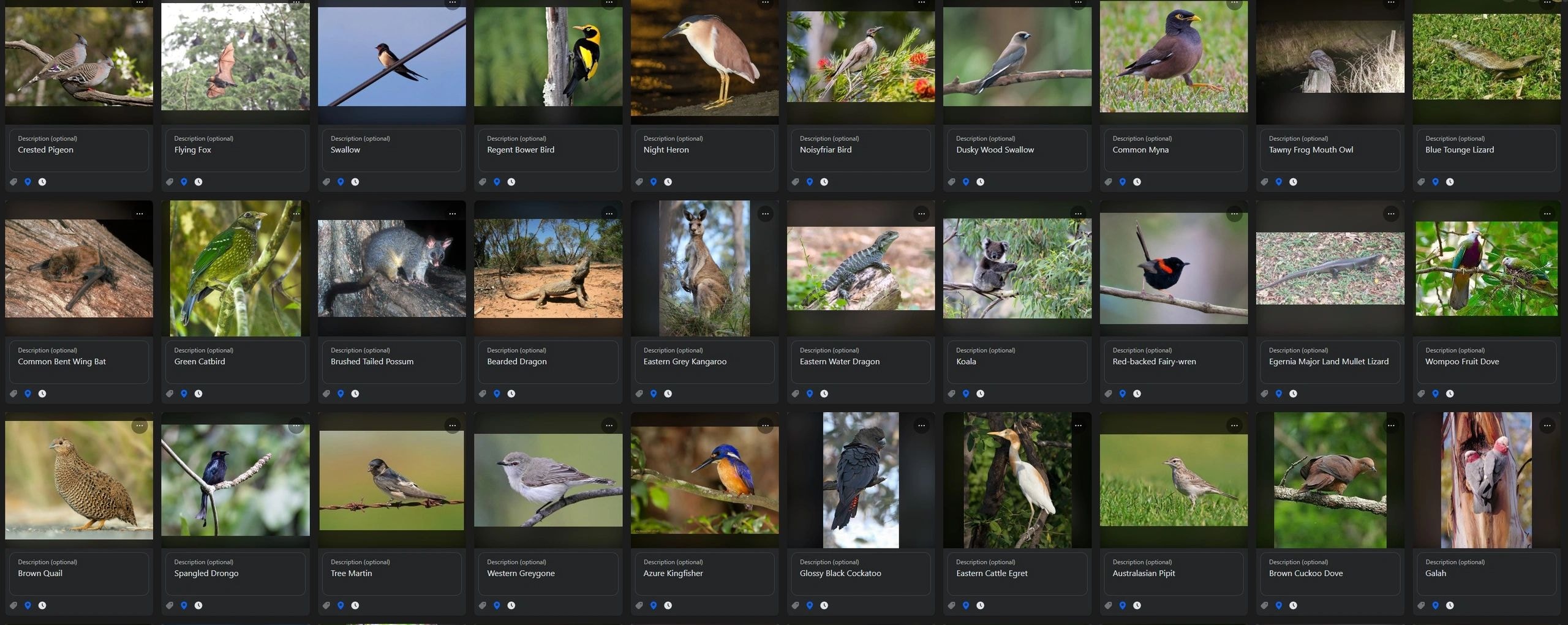
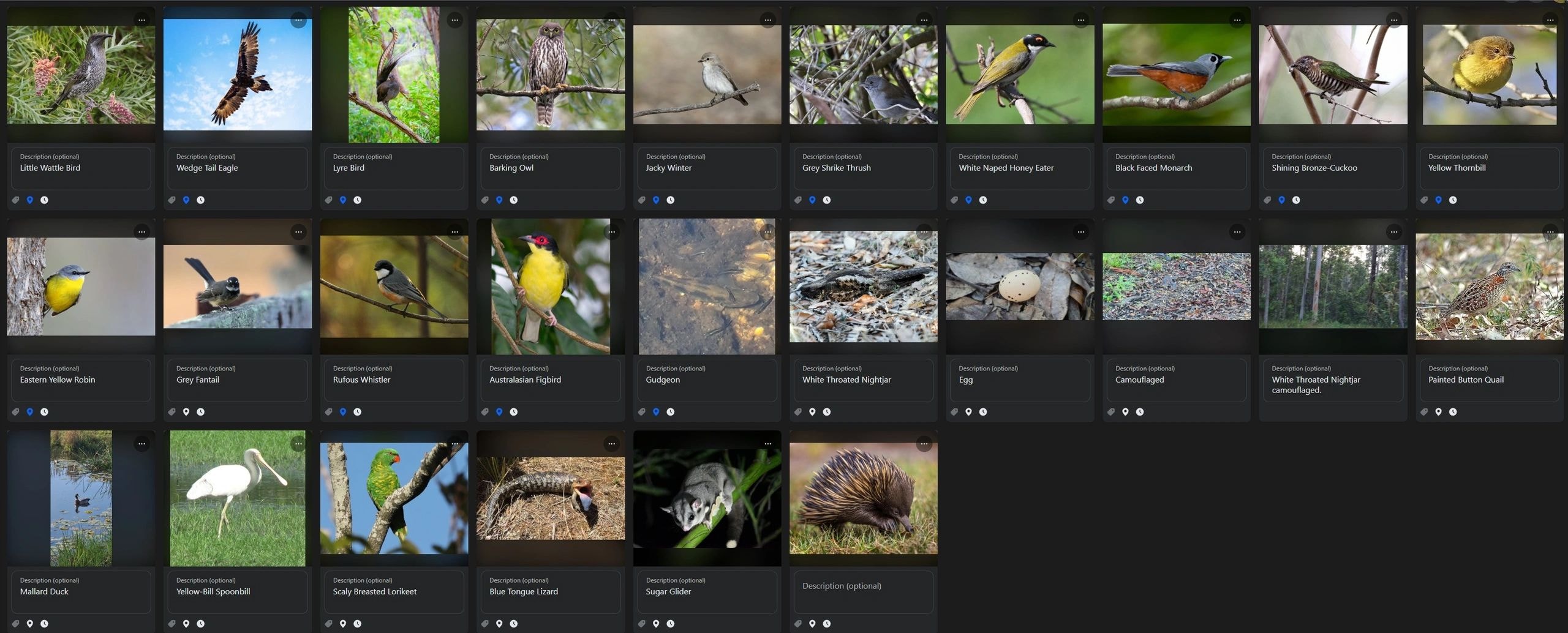
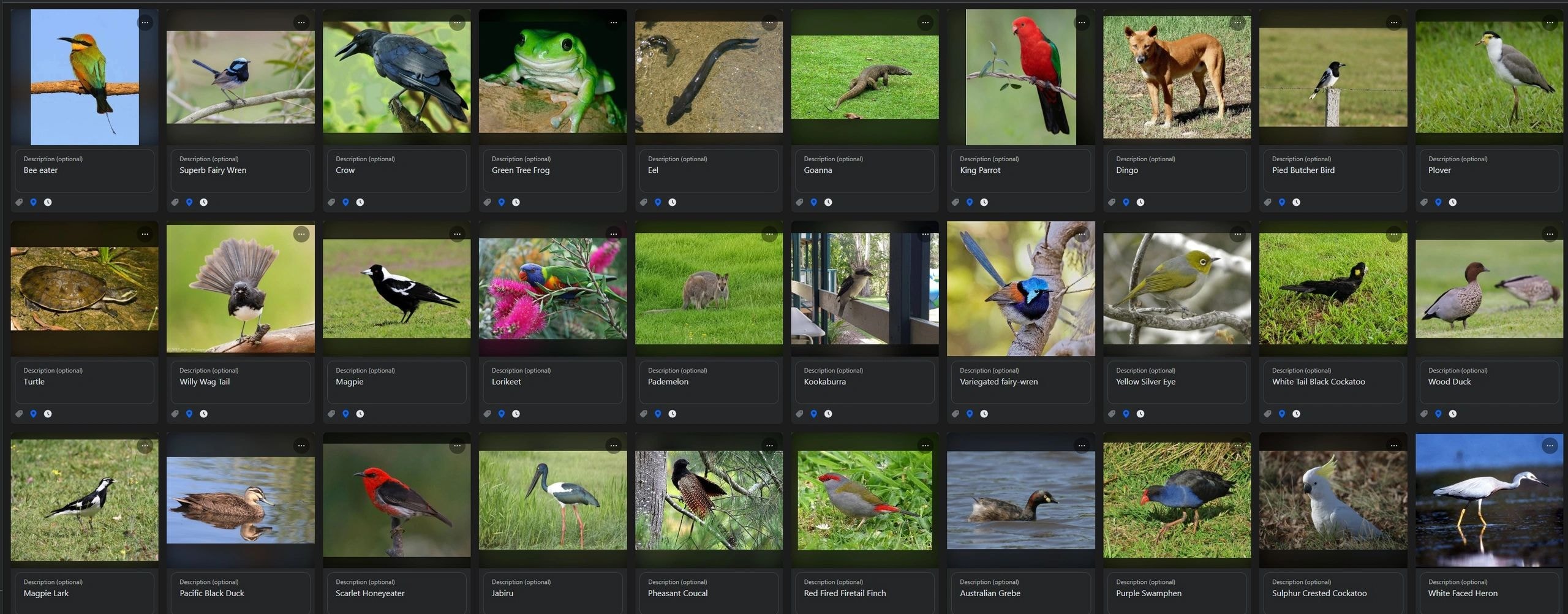
Every time we spot a new species — whether it's a bird, reptile, frog, mammal, fish or insect — we add it to our growing collection called "The Gallery Animals."
Some photos are our own.
Some are reference images used when we couldn't photograph the animal ourselves in time.
The important thing is the sighting itself.
Over time the list has become a living snapshot of the health of the farm and surrounding environment.
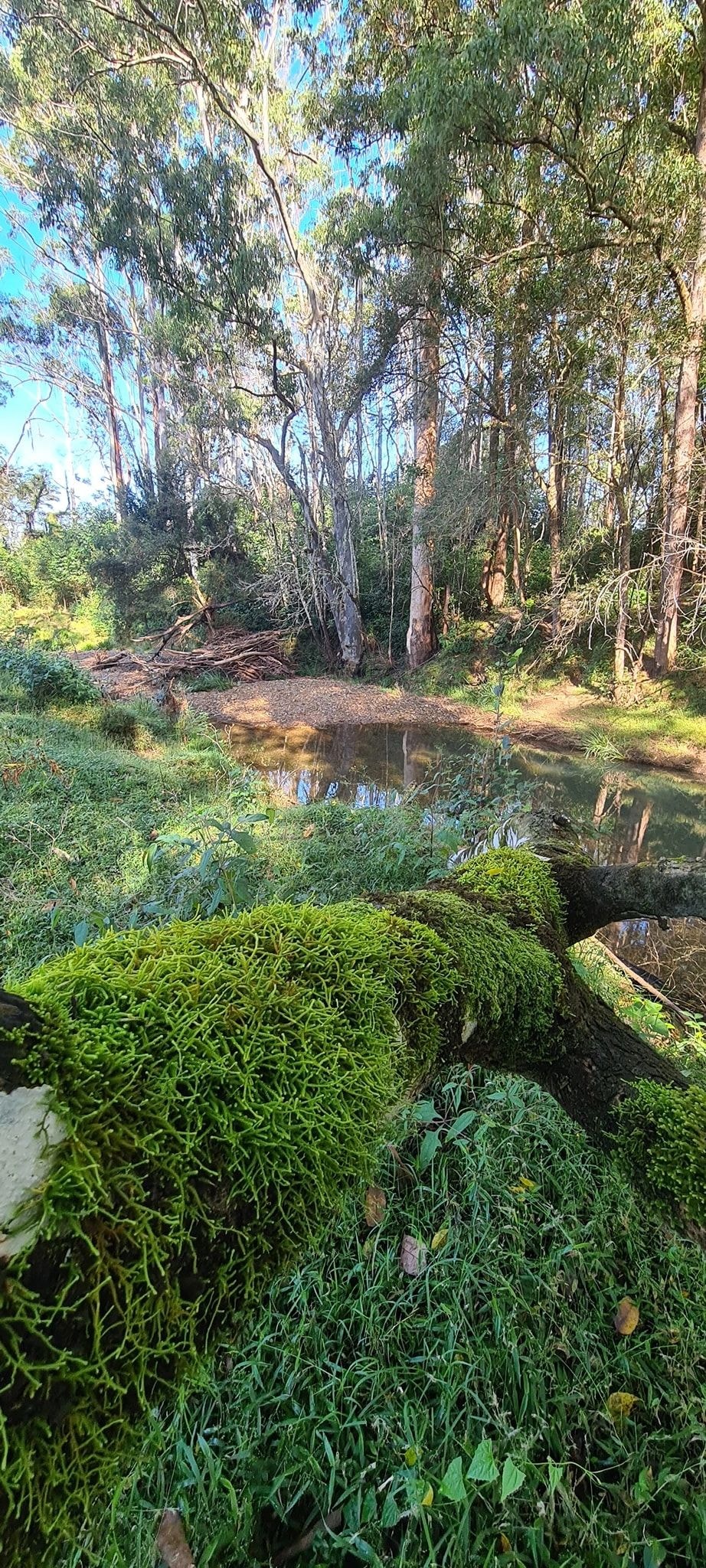
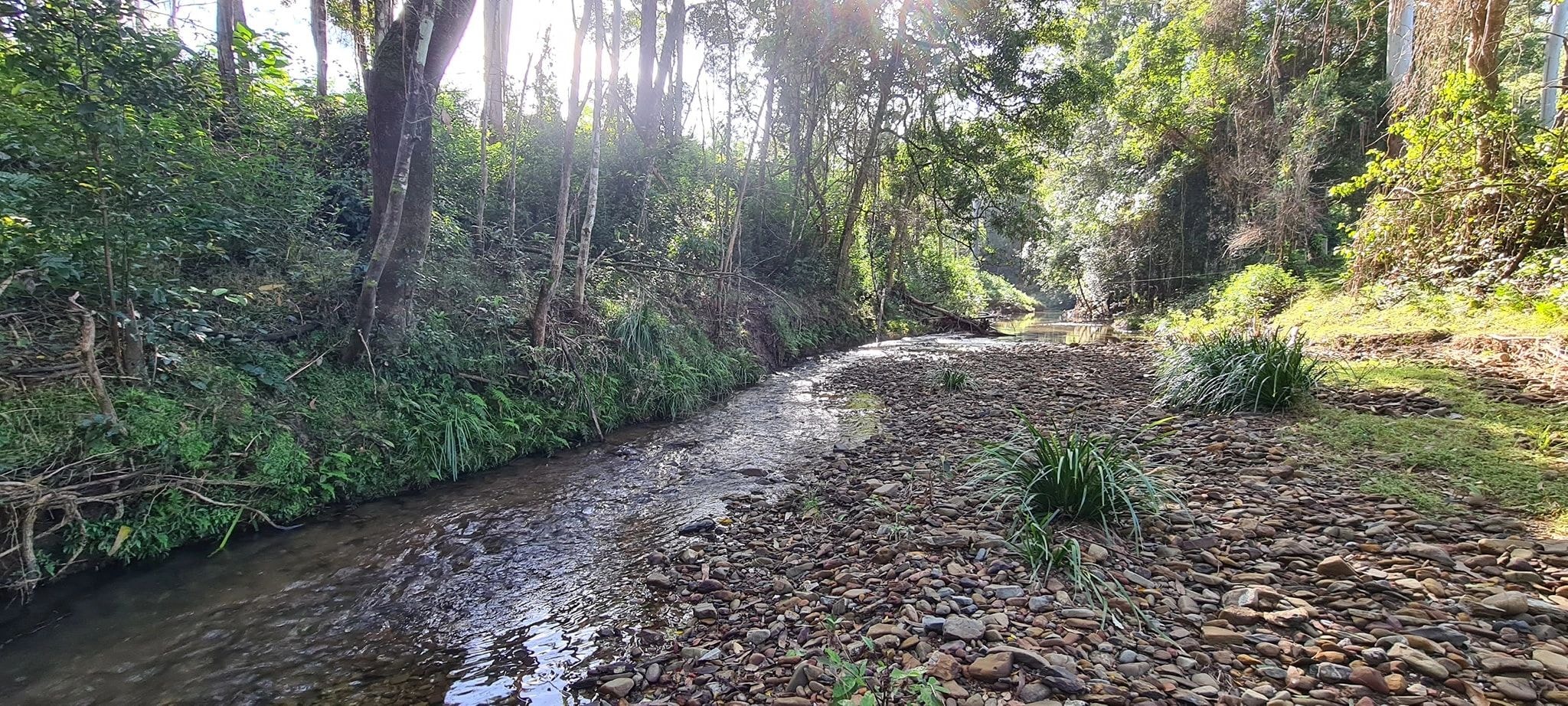
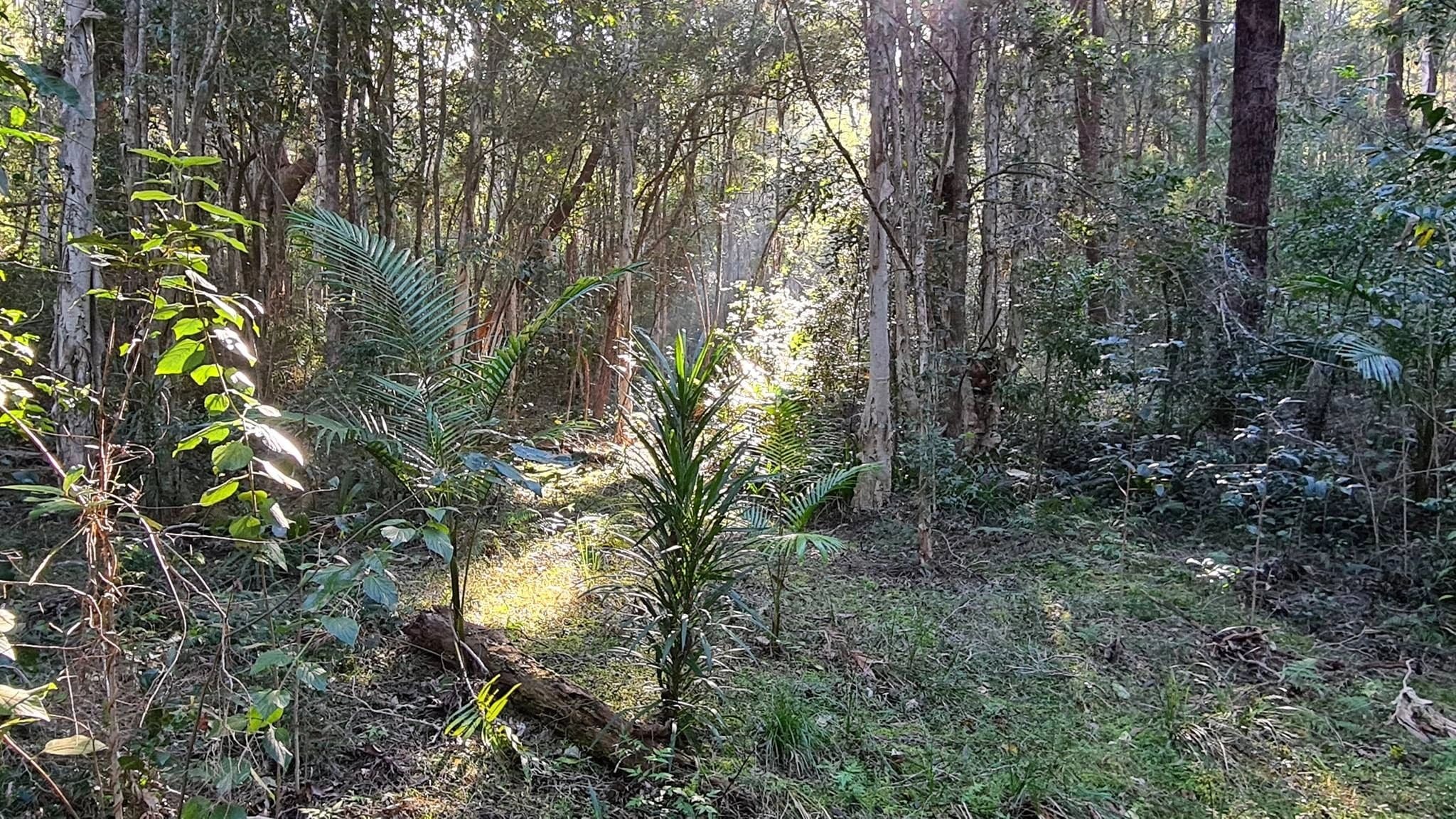
The diversity of wildlife here is largely connected to the mix of habitats across the property:
- permanent water,
- riparian creek systems,
- rainforest pockets,
- open grazing paddocks,
- wetlands,
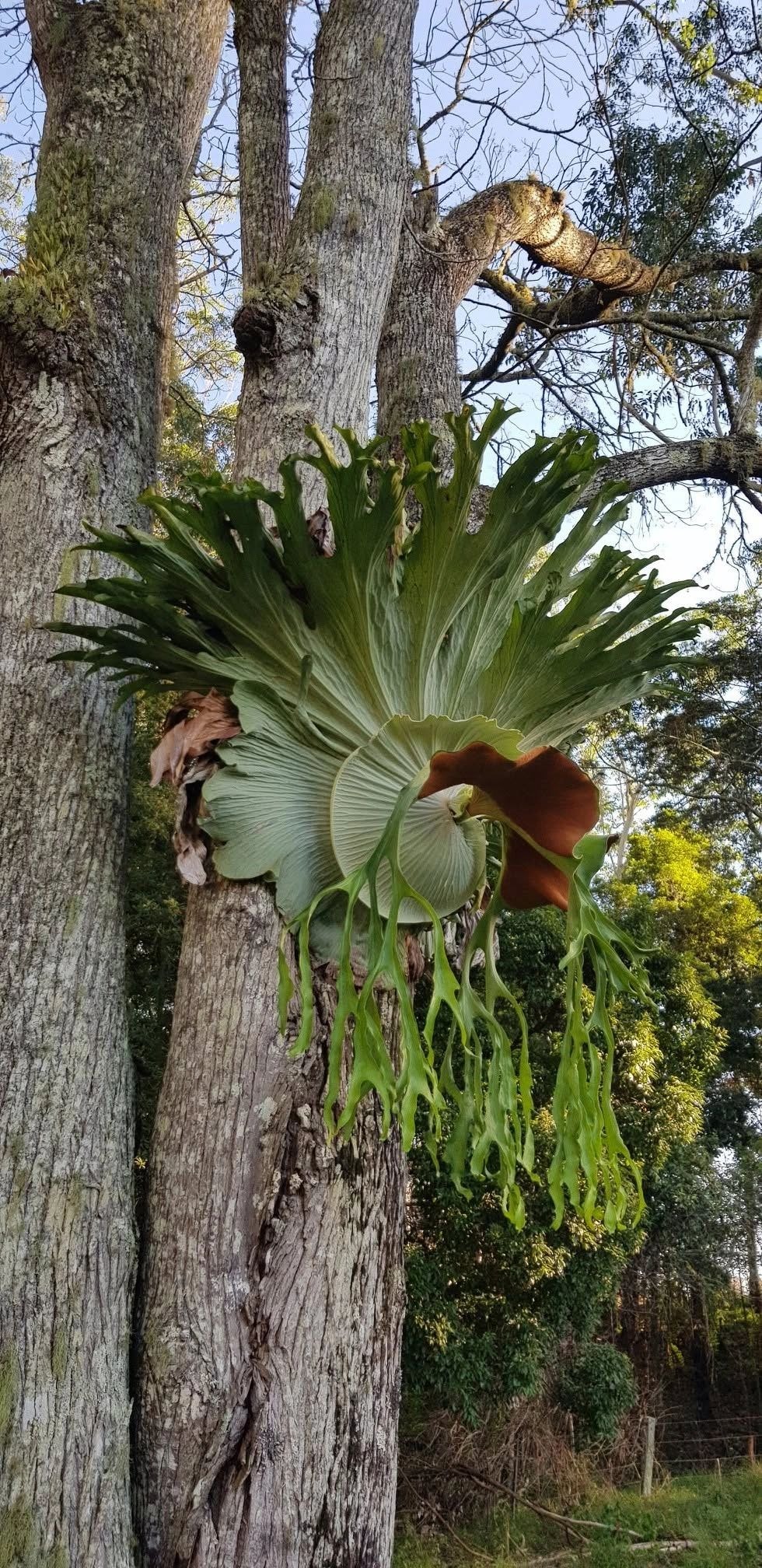
- large old trees,
- and regenerating native vegetation.
These different environments create food, shelter and breeding areas for an incredible range of species.
The Birds
Birdlife is by far the largest group recorded so far.
From tiny wrens and thornbills through to raptors and large wetland birds, nearly every part of the farm supports bird activity.
Some species are permanent residents while others appear seasonally depending on flowering cycles, rainfall and water levels.
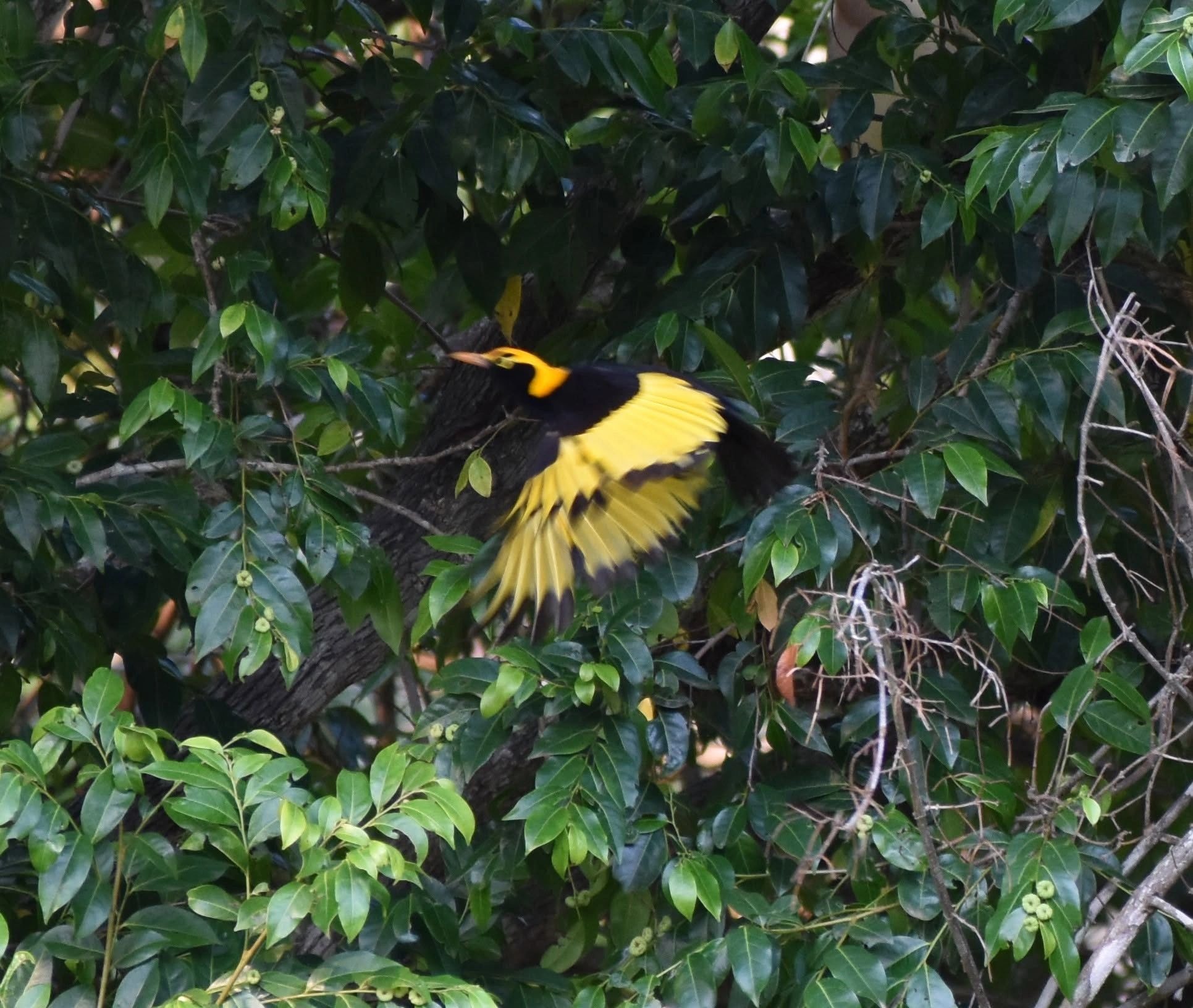
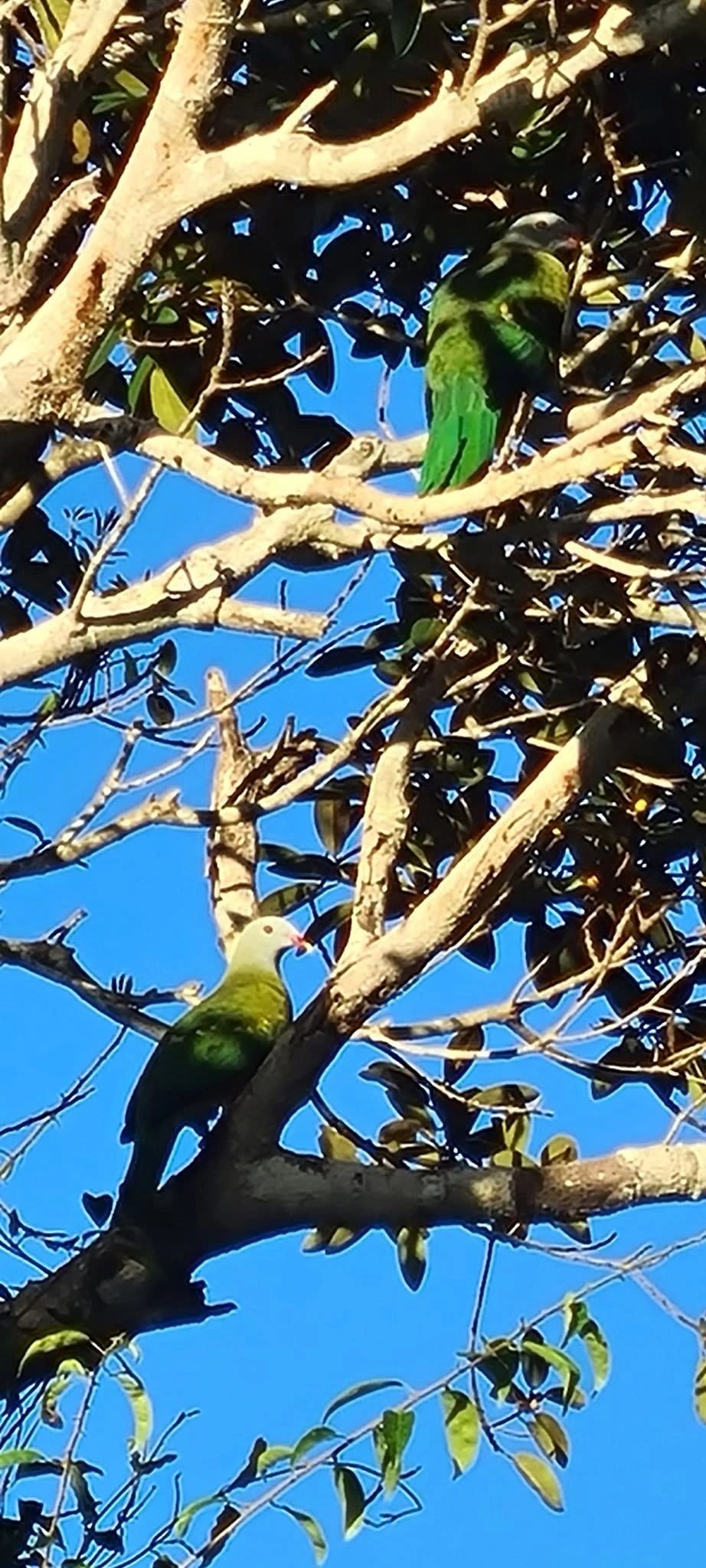
The rainforest areas support some particularly beautiful species including:
- Regent Bower Birds,
- Wompoo Fruit Doves,
- Lewin's Honeyeaters,
- Figbirds,
- Catbirds,
- and many different parrots and pigeons.
The sound at dawn in these areas can be incredible during spring and summer.
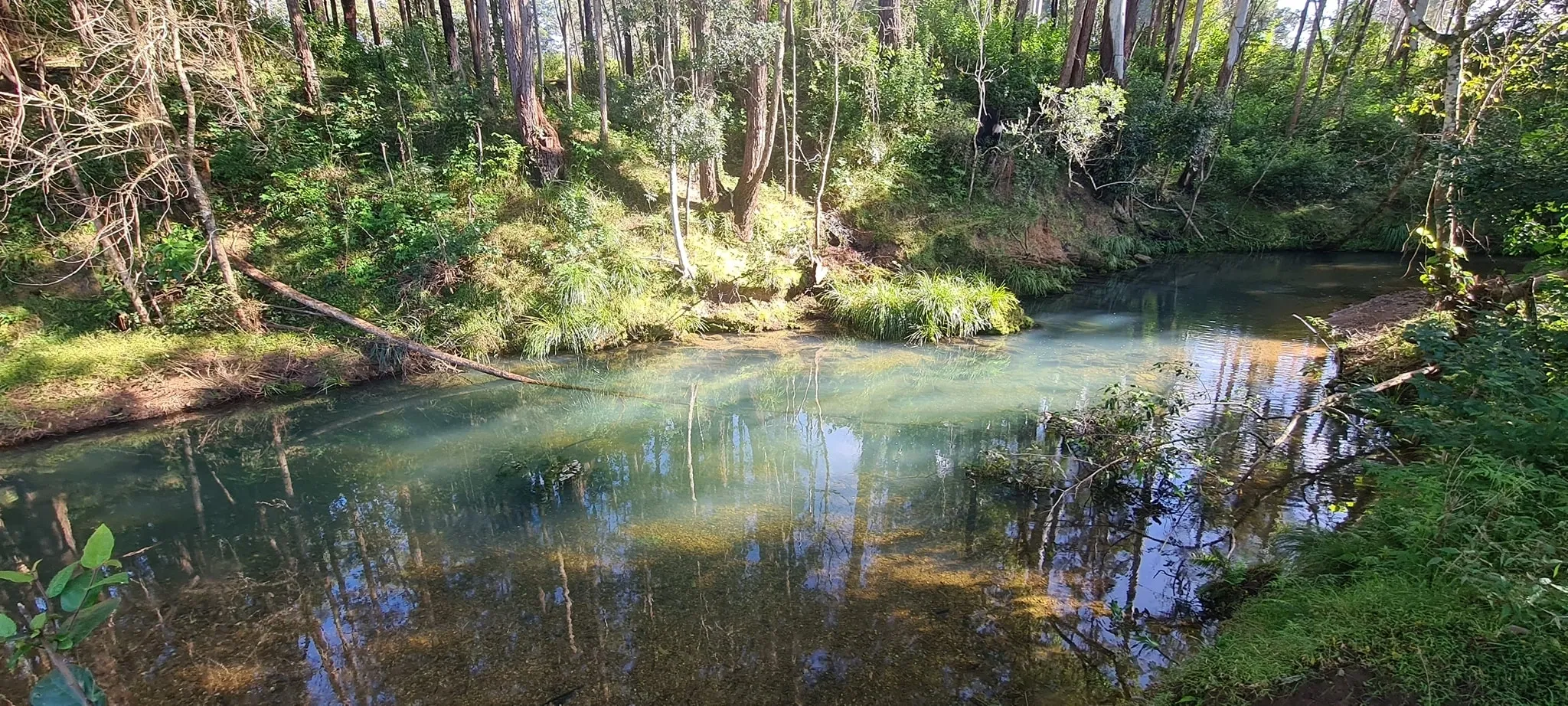
- Scarlet Honeyeater
- Eastern Spinebill
- White-naped Honeyeater
- Red-backed Fairy Wren
- Superb Fairy Wren
Flowering natives attract constant movement from honeyeaters, wrens and small insect-eating birds.
Many of these tiny birds are easy to miss unless you slow down and spend time observing quietly.
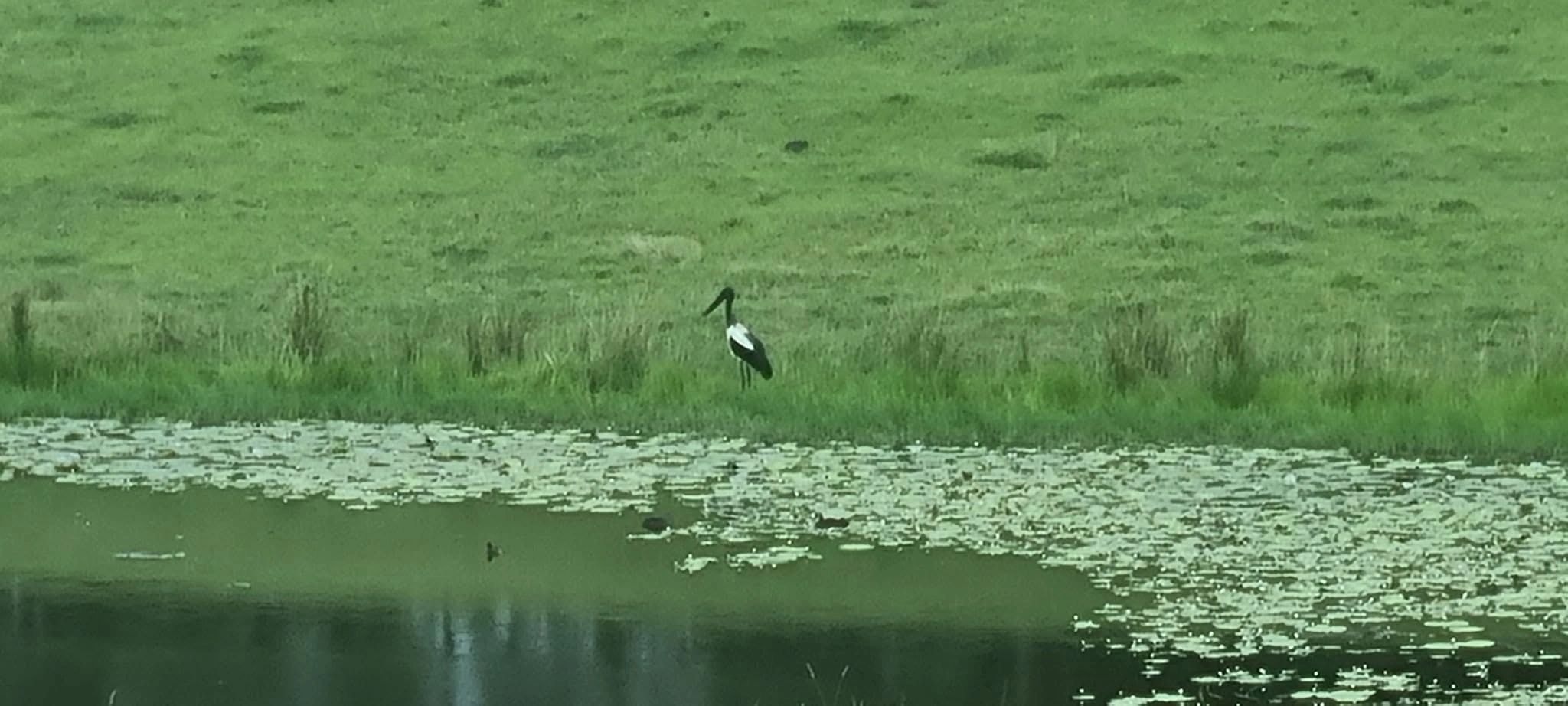
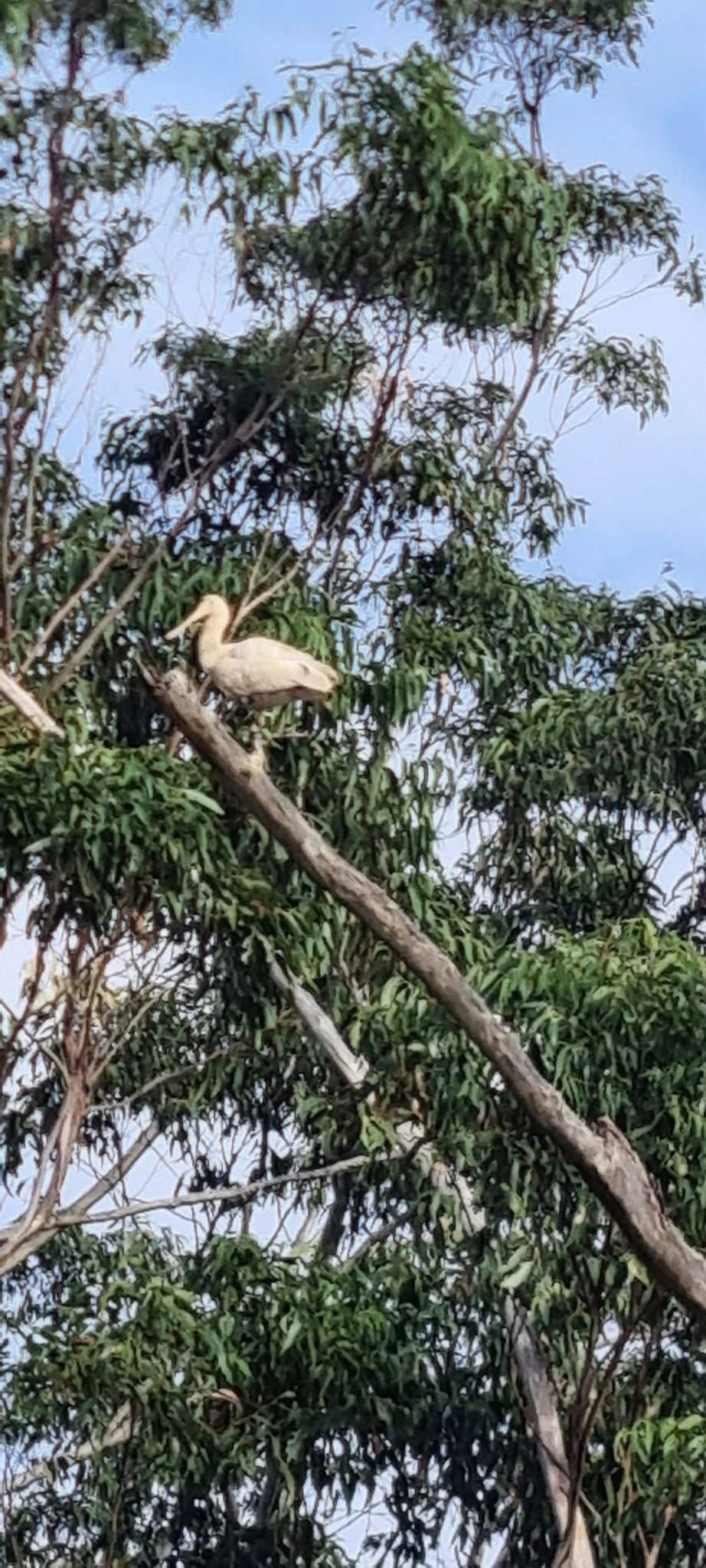
Wetland birds are among the most exciting sightings on the property.
Seeing species like Jabirus and Spoonbills regularly visiting the farm is a strong indicator that the waterways and wetlands are still functioning as healthy ecosystems.
The Jabiru sightings in particular are something very special.
Wedge-tailed Eagles are occasionally seen soaring above the valley and creek systems.
Watching them ride thermals across the property is always one of those moments where everything suddenly goes quiet.
Night Life on the Farm
Not all activity happens during the day.
At dusk the farm changes completely.
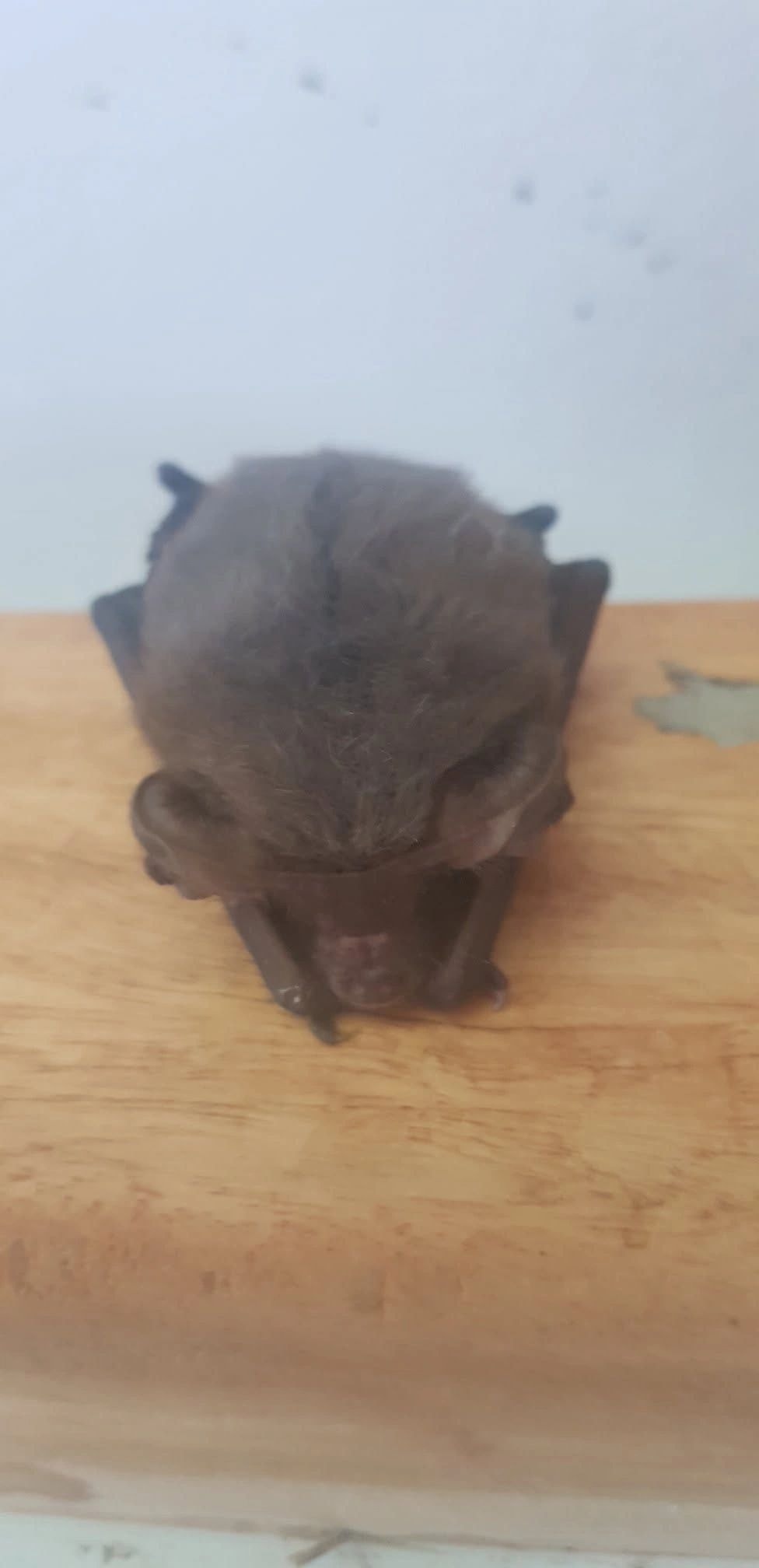
Microbats regularly roost in the large machinery shed and emerge at dusk to feed on insects.
On warm summer nights they can often be seen darting through the shed lights catching moths and mosquitoes mid-flight.
These tiny bats are incredibly important for natural insect control and are another sign of a healthy ecosystem.
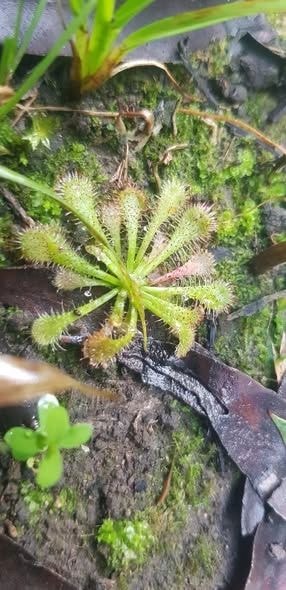
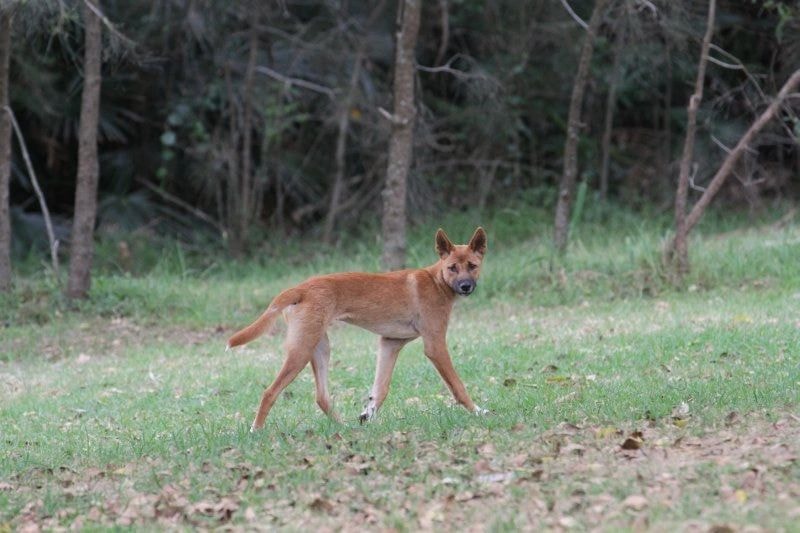
Nocturnal wildlife on the farm also includes:
- possums,
- frogs,
- owls,
- nightjars,
- and sugar gliders.
A Living Record
"The Gallery Animals" is still growing.
Every season brings new sightings.
Some species appear only once.
Others return year after year.
The project has become more than just a wildlife list.
It is now a long-term record of the health, biodiversity and changing rhythms of life at The Gallery Farm.