SP Pastoral
SP System Framework
Built on trust · Bred for strength · Powered by MGT
At The Gallery Farm, we plan cattle handling, water, paddocks and biosecurity together. Where we put a trough affects how we use a paddock. How we lay out the yards affects how calmly cattle move and how easily we can weigh them and record treatments. Planning those connections early helps us build in stages and gives each stage a clear purpose.
Four systems that work together
Cattle handling and records
We design the yards for calm, controlled stock movement. We're planning where weighing and NLIS tag scanning fit into the handling routine so we can record weights, treatments and movements as we work with the cattle.
Water supply and distribution
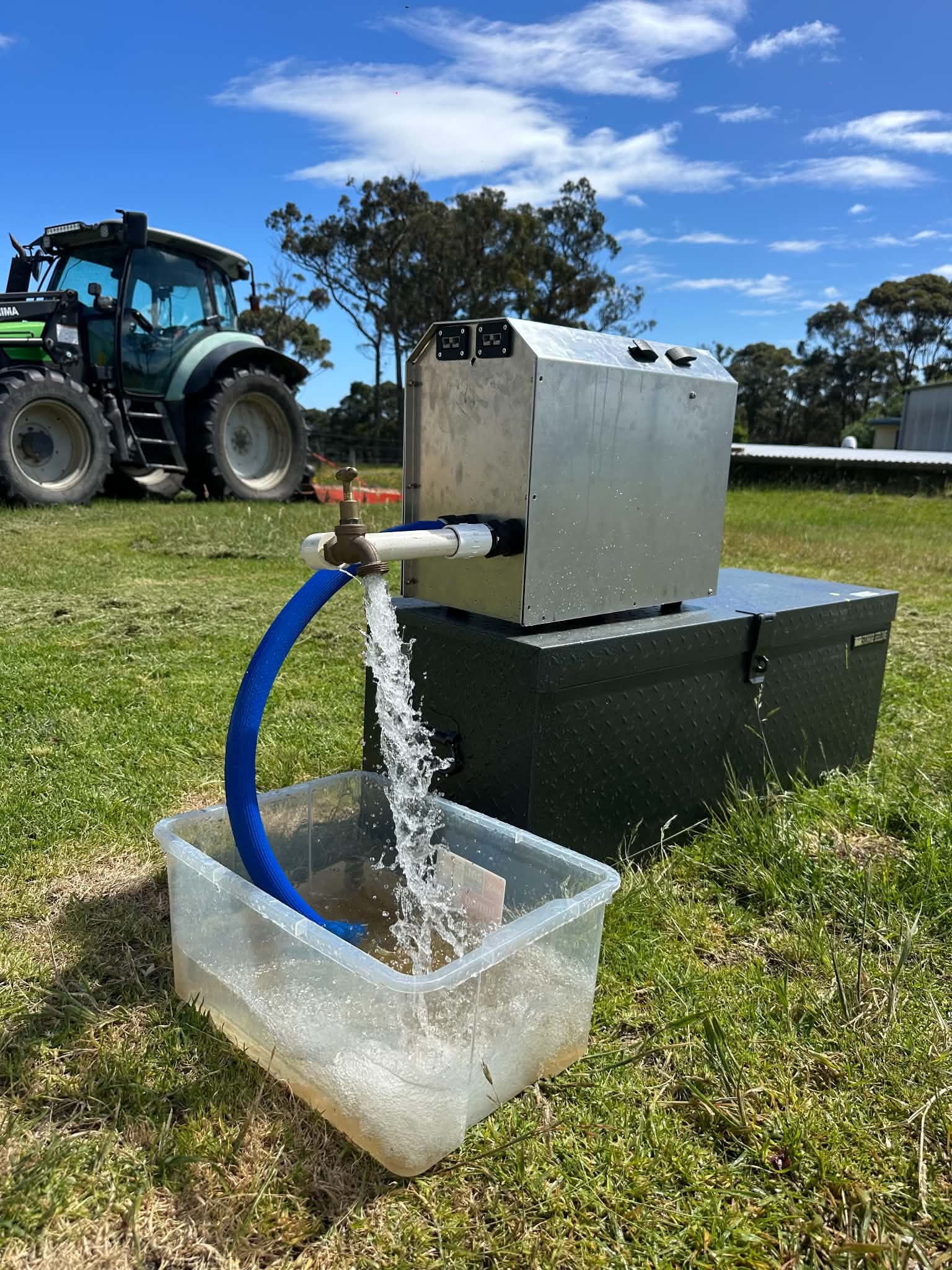
We plan the route from the dam to storage and out to the points where water is needed. The solar- and battery-powered MGT30 is planned to fill the header tank. From there, stock water comes first, with later stages planned for irrigation and bushfire preparedness.
Paddocks and grazing
Fences, gates, troughs and access routes work together. We plan their placement around how cattle move between paddocks and into the yards, making grazing rotations and day-to-day stock work easier to manage.
Biosecurity and visitor access
Visitors sign in before arrival and follow the marked driveway to designated parking and fenced visitor areas. Access to the working farm requires prior approval. Planning these routes helps us welcome visitors while managing access around livestock.
Powered by MGT
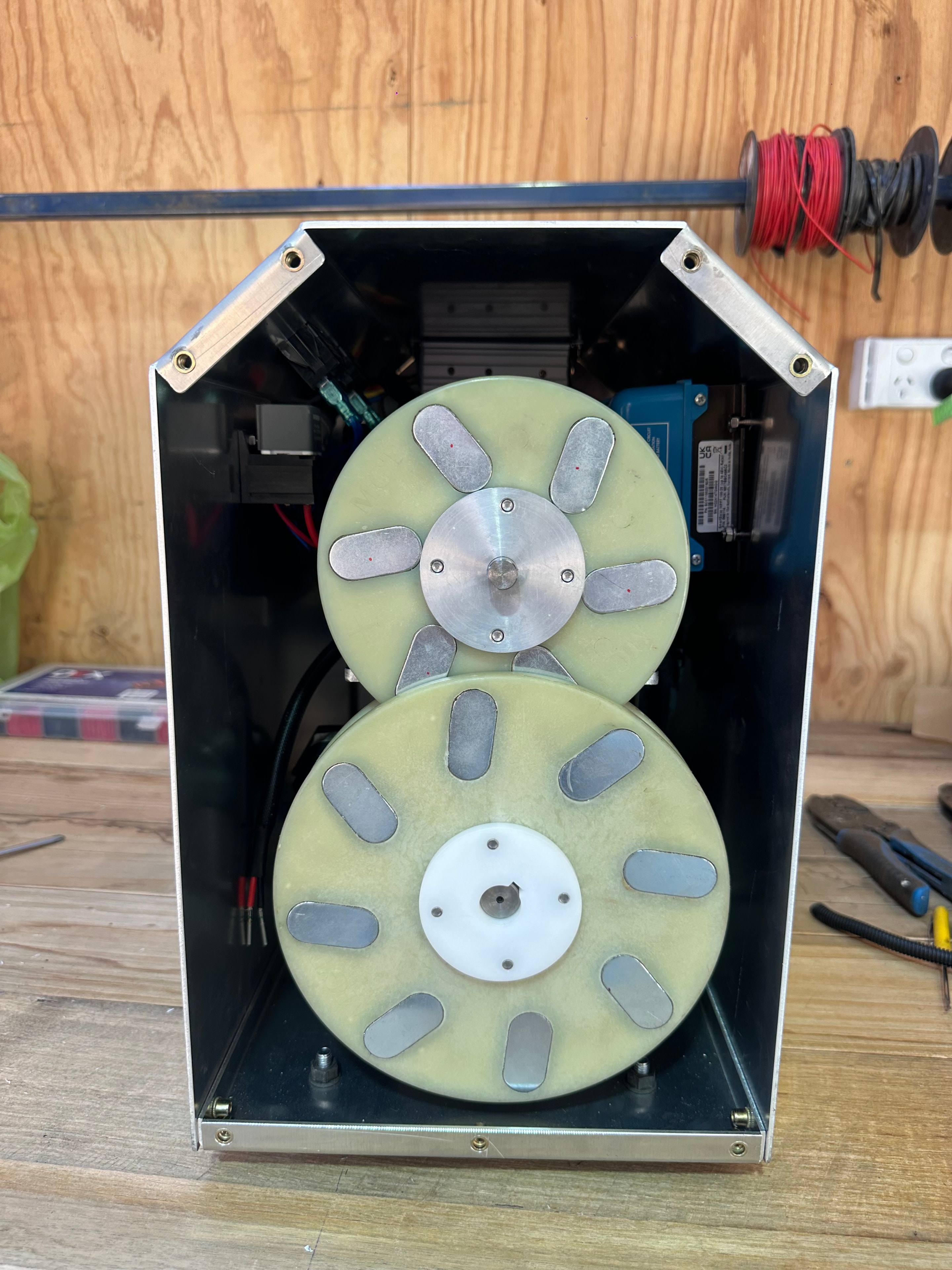
Water pumping is the first application we're building around Magnetic Gear Transmission. As the farm's monitoring network expands, we plan to bring pump status, water levels and camera views onto the showroom dashboard. On demonstration days, we'll show how the pumping, storage and monitoring fit together on a working farm.